
Commercial and Residential
Moffat Electrical Contracting
From emergency repairs to complete rewiring, our certified electricians deliver safe, reliable, and affordable electrical solutions for your Whitehorse home & business.
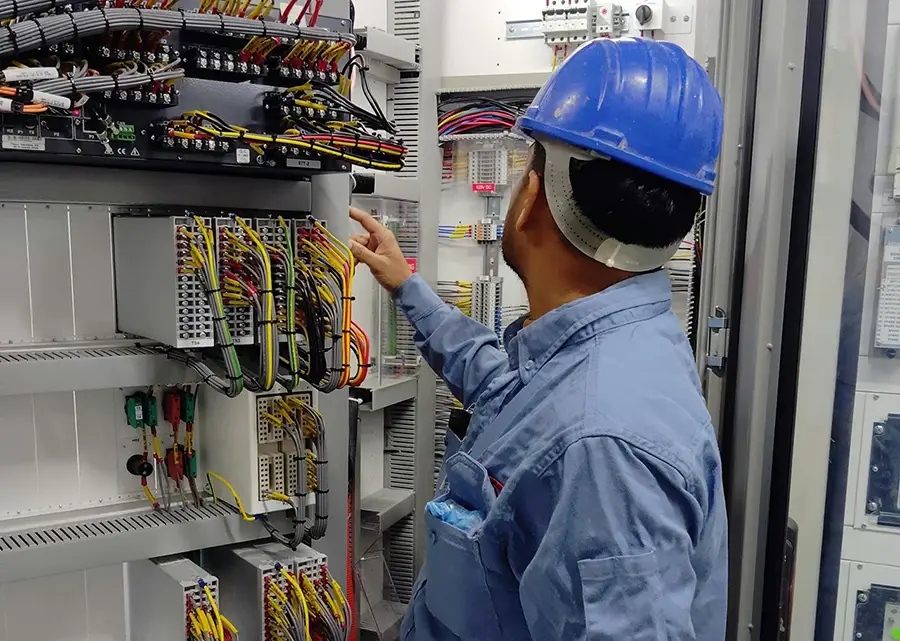
What We Offer
Comprehensive Electrical Services
From emergency repairs to complete installations, we provide reliable electrical solutions for commercial and residential properties Whitehorse, Yukon & surrounding areas.
Commercial

Residential
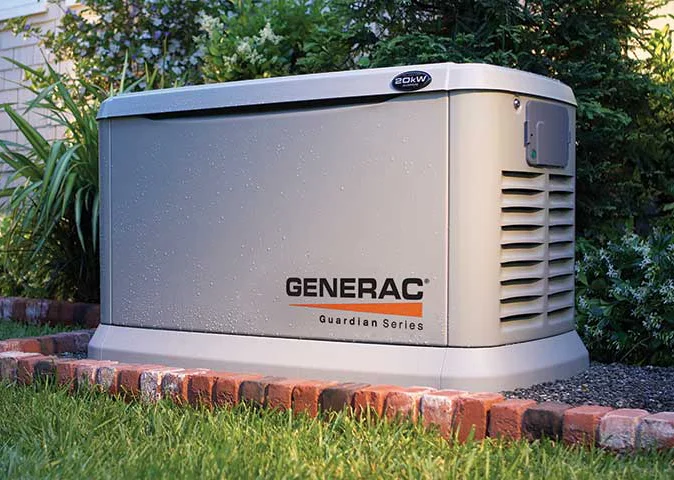
Power Backup

Institutional Projects

Data Communication

LED Installation

Technology

Solar Installations

Commercial Copper Cable
Who We Are
Your Trusted Whitehorse Electrical Experts
- Licensed electrical contractors
- Generac generator service provider
- Commercial and residential
- Fully guaranteed!

16+ Years


Over 70 Five Star ratings!
Government of Yukon Energy Incentive Programs
“The Government of Yukon offers a range of energy incentive programs aimed at promoting energy efficiency and reducing greenhouse gas emissions across the territory. If you are considering a new GENERLINK installation, you may qualify for a significant rebate that covers 25% of your total project cost, up to a maximum of $2,000 — a substantial saving that makes upgrading your home or business more affordable than ever.
To put that in perspective, a typical 40-amp, non-surge protected GENERLINK installation represents a meaningful investment when you factor in tax and all required permits. With the rebate applied, a significant portion of that cost comes straight back to you, making now an excellent time to explore whether your project qualifies and take full advantage of the savings available.”
Who Is Eligible?
The program is open to a broad range of applicants, including:
- Private individuals
- Businesses and organizations registered in the Yukon
- Yukon municipalities
- First Nation governments and development corporations
Please note: This rebate applies to all eligible work commenced on or after April 1, 2026.
For a full overview of the program terms and conditions, please click here.
Ready to take advantage of this opportunity? Register for the program here.
Fully Licensed
Certified Expert
Transparent Pricing
100% Satisfaction
EMERGENCY SERVICE
Electrical Emergency? We're Here To Help!
Expertise and Experience
With over 16 years in the electrical trade, our team handles everything from emergency repairs and panel upgrades to full commercial installations. Whatever the job, we diagnose it properly and fix it right the first time.
Highest Commitment
to Quality
At Moffat Electrical Contracting, every project meets or exceeds code. We use quality materials and proven methods so your electrical system stays safe, reliable, and efficient for years to come.
Customer-Centric Approach
Every home and business has different needs. We take the time to understand yours, explain your options clearly, and recommend solutions that fit your property and budget. Expect an honest assessment.
Proudly Local, Always Nearby
As a locally owned Whitehorse business, we understand the demands Yukon winters and remote conditions place on electrical systems. Being local means we can respond quickly and keep disruption to a minimum.