The Danger Zone: 5 Electrical Jobs You Should Never DIY
YouTube makes everything look easy. Electricity is unforgiving.
There’s a certain confidence that comes from watching a 12-minute video where someone replaces an electrical panel, installs a new circuit, and ends with a cheerful “and that’s it!” Tools get neatly put away. The lights come on. No drama.
But here’s the part you don’t see: electricity doesn’t care how handy you are.
Electrical work is one of the few home projects where mistakes don’t just “not work”—they can injure you, start a fire days or weeks later, damage expensive equipment, or create a hidden hazard that the next person in the house pays for. And unlike a crooked shelf, an electrical hazard can sit quietly inside a wall until the exact wrong moment.
This post isn’t meant to scare you away from learning about your home. It’s meant to draw a bright, practical line between “safe homeowner tasks” (like changing bulbs and resetting a tripped breaker once) and the jobs that belong firmly in the professional category.
Below are five electrical projects that homeowners commonly attempt—and why each one is a genuine danger zone.
1) Replacing a Breaker or Working Inside the Electrical Panel
Why it looks easy:
The panel is right there. The breakers are labeled. A breaker looks like a Lego block you can pop out and replace.
Why it’s dangerous:
Your electrical panel is the nerve center of your home, and it contains components that can be lethal even when you think power is “off.”
- The service conductors are still live. Even if you shut off the “main” breaker, the conductors feeding the panel are typically still energized. That’s enough to cause severe shock or fatal electrocution.
- Arc flash risk. A short circuit inside a panel can create an arc flash—an explosive burst of heat and light. This isn’t just a workplace hazard; it can happen in residential panels too, especially if a tool slips or a connection is made incorrectly.
- Loose connections become heaters. Breakers and panel terminations need to be tightened to proper torque specs. Too loose, and the connection can heat up under load. Heat inside a panel is a serious fire risk.
- Wrong breaker type = wrong protection. Breakers aren’t one-size-fits-all. Brands and models matter. Installing an incompatible breaker can lead to poor contact, overheating, or failure to trip when it should.
- You might be “fixing” the symptom, not the cause. Breakers usually trip for a reason: overload, a fault, damaged wiring, or a failing appliance. Replacing the breaker without diagnosing the cause can leave the hazard in place.
Hidden consequences:
- Insurance complications. If a fire is traced back to un-permitted or improper electrical work, it can complicate claims.
- Resale issues. Home inspectors often flag panel work that looks non-professional (double-tapped breakers, mismatched components, poor labeling, missing knockouts).
Better choice:
If a breaker trips repeatedly, treat it like your home asking for help. Document when it happens, what was running, and call an electrician to diagnose the actual issue.
2) Adding a New Circuit (or “Just Tapping Into That One Over There”)
Why it looks easy:
You need one more outlet in the garage, a dedicated line for a freezer, or power for a new microwave. You see a nearby circuit and think, “I’ll extend it.”
Why it’s dangerous:
Adding a circuit sounds straightforward until you realize you’re designing and installing part of your home’s electrical distribution system.
- Load calculations are not optional. Every circuit has limits. A typical general-purpose circuit can be overloaded surprisingly easily—especially in kitchens, garages, workshops, and laundry rooms.
- Improper wire sizing. A common DIY mistake is using the wrong gauge wire for the breaker size. Example: running 14-gauge wire on a 20-amp breaker. That wire can overheat before the breaker trips.
- Hidden splice hazards. DIYers sometimes make splices in inaccessible locations (inside walls/ceilings without a junction box). That’s not just unsafe—it’s typically against code for good reason.
- Incorrect drilling and routing. Running cable through framing means avoiding nails, screws, sharp edges, heat sources, and ensuring the cable is protected. A small nick in insulation can become a failure point later.
- Arc-fault and GFCI requirements. Many areas require arc-fault protection in living spaces and GFCI protection in kitchens, baths, garages, outdoors, and more. Missing these protections increases shock and fire risk.
Hidden consequences:
- “It works” doesn’t mean it’s safe. Many dangerous installations work perfectly—right up until the day they don’t.
- Future troubleshooting becomes harder. Poor labeling, improper splices, and mixed wiring methods make later repairs more expensive.
Better choice:
If you need a new circuit, it’s usually a strong sign you’ve outgrown the existing load. A licensed electrician can add the circuit correctly, verify your panel capacity, and ensure protection devices are right for the space.
3) Installing or Replacing a 240V Circuit (Dryer, Range, EV Charger, Hot Tub)
Why it looks easy:
You bought a new appliance. It needs a 240V outlet. You’ve seen the wiring diagrams and you’re comfortable with tools.
Why it’s dangerous:
Higher voltage circuits increase risk, and these loads often run for long periods—meaning any weakness in the system gets stress-tested.
- Improper terminations cause heat buildup. 240V loads like EV chargers and hot tubs can draw substantial current for extended durations. Loose terminations and undersized conductors can heat up quietly over time.
- Neutral/ground mistakes are common. Mixing up neutral and ground, or using older 3-wire configurations incorrectly, can create shock hazards and equipment damage.
- Dedicated circuits are required. Many 240V appliances must be on a dedicated circuit with specific breaker types and wiring methods.
- Outdoor/wet location rules matter. Hot tubs, outdoor equipment, and some EV setups require specific disconnects, GFCI protection, and proper weather-rated components.
Hidden consequences:
- Equipment damage. EV chargers, ranges, and modern dryers have electronics that can be sensitive to miswiring and poor grounding.
- Major fire potential. These are exactly the kinds of circuits that, when done wrong, can create sustained overheating.
Better choice:
240V work is a “pro territory” project. The cost of having it done correctly is far less than the cost of replacing equipment—or dealing with a preventable fire.
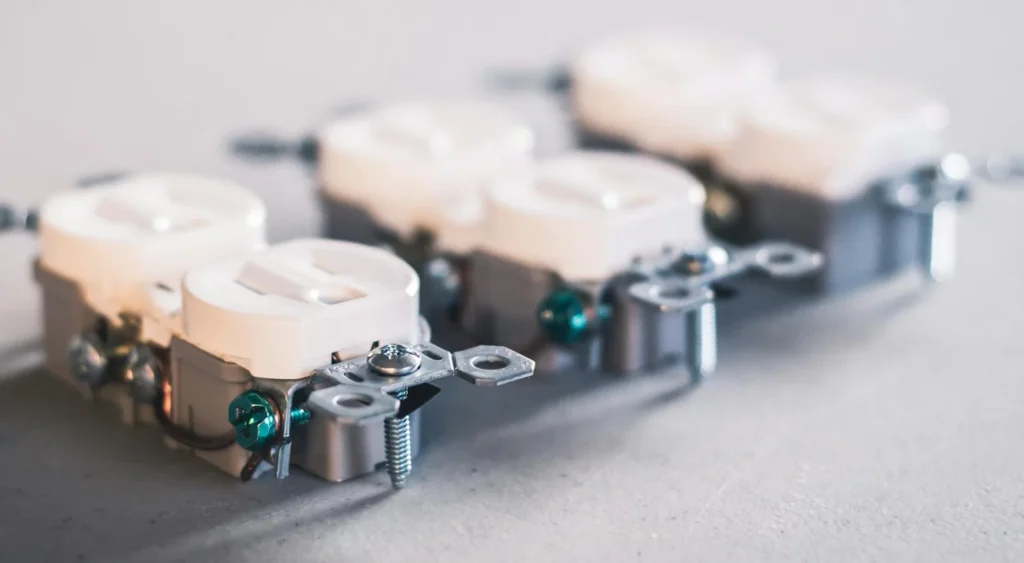
4) Replacing or “Upgrading” Outlets and Switches (Especially GFCI/AFCI)
Why it looks easy:
It’s just two or three wires, right? Swap the device, screw it back, done.
Why it’s dangerous:
Replacing a basic switch can be safe for a homeowner under the right conditions, but this category becomes dangerous fast because older homes and modern devices don’t always match expectations.
- Backstab connections and loose terminals. Many DIYers use quick connections incorrectly or fail to tighten terminals properly. A loose connection can arc, generating heat and damaging the device box.
- Mixed wiring (multi-wire branch circuits). Some homes use wiring setups that require special handling. Misunderstanding them can create overloaded neutrals and other hazards.
- Bootleg grounds. DIY “fixes” sometimes tie neutral to ground in a receptacle box to make a 3-prong outlet “work.” That can energize metal parts and create shock risk.
- GFCI line/load confusion. GFCIs have “line” and “load” terminals for downstream protection. Wiring them wrong can defeat protection or create unpredictable behavior.
- Aluminum wiring issues. Some older homes have aluminum branch wiring, which requires specific connectors, devices, and methods. Treating it like copper is dangerous.
Hidden consequences:
- False sense of safety. Homeowners may believe a space is protected when the GFCI isn’t actually wired correctly.
- Heat damage behind the wall. Minor arcing can char insulation and framing before anyone notices a symptom.
Better choice:
If you’re replacing a device and anything looks “weird”—multiple wires per terminal, no ground, aluminum wiring, scorched conductors, crowded boxes—stop and call an electrician.
5) Any Work Involving Knob-and-Tube, Old Panels, or “Mystery Wiring”
Why it looks easy:
You open a wall, see old wires, and think you can just connect new cable to old cable with a couple wire nuts.
Why it’s dangerous:
Older electrical systems often require special treatment and, in some cases, full replacement planning.
- Knob-and-tube wasn’t designed for modern loads. It can be brittle, lacks grounding, and is often surrounded by insulation that wasn’t there originally—changing its heat dissipation characteristics.
- Mixed-era wiring creates compatibility issues. Connecting modern wiring to older systems isn’t automatically unsafe, but it must be done correctly—using junction boxes, proper connectors, and understanding circuit behavior.
- Panel capacity and condition matters. Some older panels and brands have known reliability issues. Others are simply undersized for modern usage.
- Unmarked circuits and “creative” homeowner modifications. Mystery wiring is common, and it’s where DIY assumptions get dangerous. The wire you think is dead may be fed from somewhere else.
Hidden consequences:
- Hidden energized metal. Improper grounding/bonding can energize metal boxes, fixtures, or appliances.
- Inspection and insurance red flags. Certain older systems can trigger requirements during sales or policy renewals.
Better choice:
If your home has older wiring or an older panel, it’s worth having an electrician evaluate it proactively. Often the best “upgrade” is targeted modernization, not patchwork.
So What Can a Homeowner DIY Safely?
It’s not all bad news. There are safe, homeowner-friendly tasks if you stay within clear boundaries:
- Resetting a tripped breaker once (if it trips again, stop)
- Replacing light bulbs and plug-in fixtures
- Changing batteries in smoke/CO detectors (and testing them monthly)
- Using plug-in testers to check outlets (as a basic screening tool)
- Labeling your panel (carefully) and keeping a log of recurring issues
But anything involving the panel interior, new circuits, 240V loads, older wiring, or safety devices like GFCI/AFCI? That’s where the risk-to-reward ratio flips hard.
The Real Goal: Safe Power You Don’t Have to Think About
Good electrical work is invisible when done right. You shouldn’t have to wonder whether a wire splice is heating up inside the wall, whether your EV charger is stressing the system, or whether a “simple” outlet replacement defeated a safety device.
If you’re planning a project that touches any of the five areas above, the safest move isn’t “be careful”—it’s bring in a licensed electrician. A professional doesn’t just make it work. They make it safe, compliant, and reliable for the long term.
Need help with a medium-to-hard electrical job? Moffat Electrical is happy to take a look, explain your options clearly, and make sure your home stays powered—and protected.