Flickers, Buzzes, and Smells: 3 Warning Signs Your Wiring Is Failing
Your house usually tells you something is wrong before the power goes out—if you know how to listen.
Most serious electrical failures don’t arrive like a movie scene with sparks and darkness. They start quietly: a light that flickers more than it used to, a switch that hums, an outlet plate that feels warm, a faint “fishy” odor you can’t quite place.
Those are not random annoyances. They can be early signals that electricity is doing something it should never do inside your walls: heating connections, arcing across gaps, or stressing wires beyond their design. And when those conditions persist, the risk isn’t just inconvenience—it’s shock, equipment damage, or fire.
Electrical safety organizations consistently list the same warning signs as “don’t ignore” items: flickering/dimming lights, buzzing sounds, warm outlets or switches, discoloration, and burning odors.
This post will help you separate the “probably normal” moments (like a brief dim when the AC or dryer kicks on) from the “call an electrician” symptoms—especially the three that show up most often in failing residential wiring:
- Flickers (visual clues)
- Buzzes/sizzles (audible clues)
- Smells/heat (sensory clues)
Before we begin, an important rule:
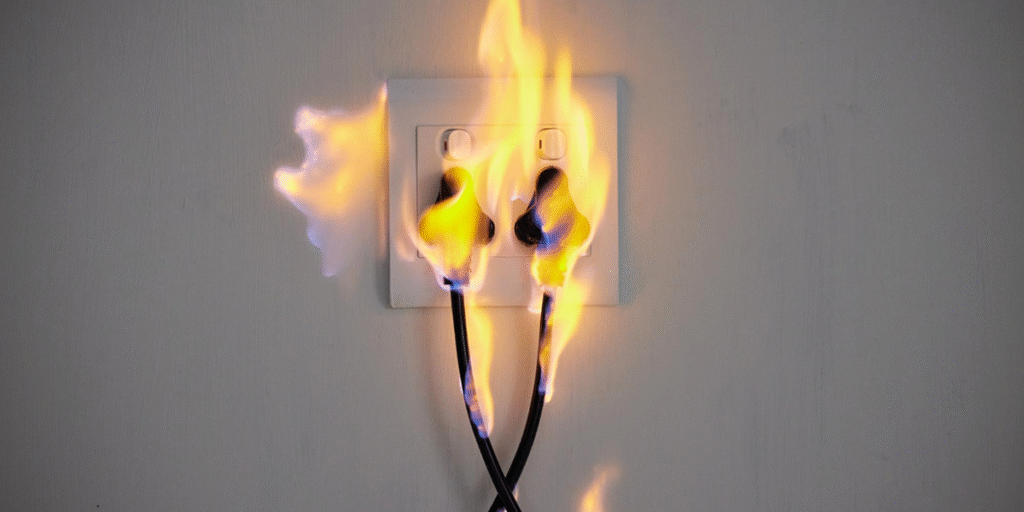
If you smell burning, see smoke, or hear loud sizzling/arcing
Treat it like an emergency. Shut off the circuit (if you can do so safely), stop using the area, and if you see smoke or flame call emergency services. ESFI and CPSC both emphasize that these are warning signs of serious wiring problems and that you should get a qualified electrician involved.
Warning Sign #1: Flickering Lights
Sometimes harmless. Sometimes your electrical system asking for help.
The harmless flicker: “inrush” and normal voltage dip
Many homes experience a brief, mild dimming when a large motor starts—think a refrigerator compressor, a furnace blower, a well pump, or an air conditioner. Motors draw a short burst of extra current when starting (“inrush”), and that can cause a momentary voltage drop you can see in nearby lights.
A typical harmless pattern looks like this:
- One quick dip or flicker right when a major appliance starts
- The light stabilizes immediately
- It happens occasionally, not constantly
- It’s limited to a small area of the home
The dangerous flicker: irregular, frequent, spreading, or paired with other symptoms
Flickering becomes a concern when it suggests a loose connection, overloaded circuit, or service/neutral problem. ESFI lists flickering or dimming lights as a warning sign of an overload or wiring problem.
Here are “pay attention now” patterns:
- Flicker in multiple rooms (especially on different circuits)
If lights across the home brighten/dim together—or you notice odd behavior like some lights getting brighter while others dim—this can point to a problem upstream of individual branch circuits. That’s a “stop guessing” scenario. - Flicker that gets worse over time
Electrical issues tend to degrade. Loose connections can loosen more; heat cycles can worsen contact quality; arcing can damage metal surfaces. If you notice an increase in frequency, treat it as escalation. - Flicker + breaker trips, warm outlets, buzzing, or odor
When flicker is paired with heat, sound, or smell, it’s no longer a “maybe.” Those combined symptoms match multiple safety checklists for overload/wiring hazards.
Quick homeowner triage (safe checks you can do)
Without opening anything up:
- Note what was running when the flicker happens (space heaters, microwave, dryer, etc.).
- Try a different lamp/bulb to rule out a failing bulb or loose bulb base.
- Watch for a pattern: same time of day, same appliance, same room?
If the answer is “it’s random” or “it’s spreading,” don’t keep experimenting. Call a licensed electrician.
Warning Sign #2: Buzzing, Crackling, or Sizzling
Electricity should be silent. Noise is friction, and friction is heat.
A properly working electrical connection doesn’t make sound. When you hear buzzing at an outlet, switch, light fixture, or (especially) near the electrical panel, it can mean electricity is crossing a gap instead of flowing through a solid connection.
ESFI explicitly lists cracking/sizzling/buzzing from receptacles as an overloaded-circuit warning sign, and also notes that buzzing plus other symptoms warrants inspection by a qualified electrician.
What might be “normal-ish” (but still worth assessing)
- A faint hum from some dimmer switches (especially older ones) can occur due to the way they chop the AC waveform. If it’s faint and stable, it may not indicate immediate danger—but it can still be a sign of an outdated device or incompatible bulb.
What is not normal
- Buzzing from outlets or switches
Outlets shouldn’t hum. If a receptacle buzzes under load (like when a heater or hair dryer is plugged in), it can indicate a loose connection, damaged device, or overheated contact. - Crackling/sizzling sounds
This is a red flag for arcing. Arcing can generate intense heat in a tiny area—exactly how fires can start inside boxes or walls. - Panel buzzing
Your panel should not be noisy. If you hear a buzz near breakers or the main panel, shut the door, keep distance, and call a pro.
Why buzzing is so dangerous: a short “physics of failure” explainer
Electricity “wants” a continuous conductor. When it meets resistance (loose screw terminal, corroded connection, failing device), the current can:
- heat the point of resistance
- intermittently arc across microscopic gaps
- pit/erode metal surfaces, making future contact worse
- create carbonized paths that conduct unpredictably
That’s why “it only buzzes sometimes” isn’t comforting. Intermittent electrical problems often mean intermittent arcing.
Warning Sign #3: “Fishy” Smells, Burning Odors, or Warm Outlets
If you smell it, something is heating up. If you can feel heat, it’s already too hot.
People describe overheated electrical components in different ways: hot plastic, burnt dust, acrid smoke, or the notorious “fishy” smell. Regardless of the adjective, the meaning is the same: insulation, plastic, or internal components are being heated beyond normal conditions.
CPSC guidance on home wiring hazards lists signs such as hot-to-the-touch face plates and the smell of burning plastic at outlets or switches—and urges homeowners not to DIY and to have a qualified electrician determine the cause.
ESFI likewise lists burning odor and warm outlets/switches as warning signs of overload/wiring problems.
Warm outlets or switch plates: what it can mean
An outlet that feels warm can indicate:
- a loose connection (causing resistance heating)
- an overloaded circuit or device
- a worn receptacle that no longer grips plugs tightly
- damage from arcing or past overheating
Normal? A tiny bit of warmth can happen with certain plug-in transformers or heavy loads, but the outlet faceplate itself should not be warm. If it’s noticeably warm or hot, stop using it.
Burning smell that appears only when something is on
If the smell shows up only when a light is on, or only when a certain device is plugged in, that can point to:
- overheating at the switch
- a failing fixture (especially older or recessed fixtures)
- a damaged cord or plug
- overloaded wiring in that branch circuit
Discoloration is a clue you can see
Darkened outlet covers, yellowing around switches, or scorch-like marks are not “cosmetic.” They can be evidence of heat or arcing and should be evaluated promptly. ESFI includes discoloration as another warning sign.
What to Do Right Now (a safe, practical checklist)
If you notice flickers, buzzes, or smells, here’s a reasonable escalation path:
- Stop using the suspect outlet/switch/fixture (unplug devices; turn off that light).
- If there’s heat, odor, sizzling, or visible damage: turn off the breaker for that circuit.
- Do not “hold” a breaker on if it trips repeatedly. That’s the system telling you there’s a fault.
- Don’t open outlets or panels unless you’re trained—CPSC explicitly warns against DIY in these scenarios.
- Call a licensed electrical contractor and describe the symptom pattern (when it happens, what was running, where it’s located, whether there’s heat/smell/sound).
A Yukon Note: Why “Just Fix It Later” Can Cost More Here
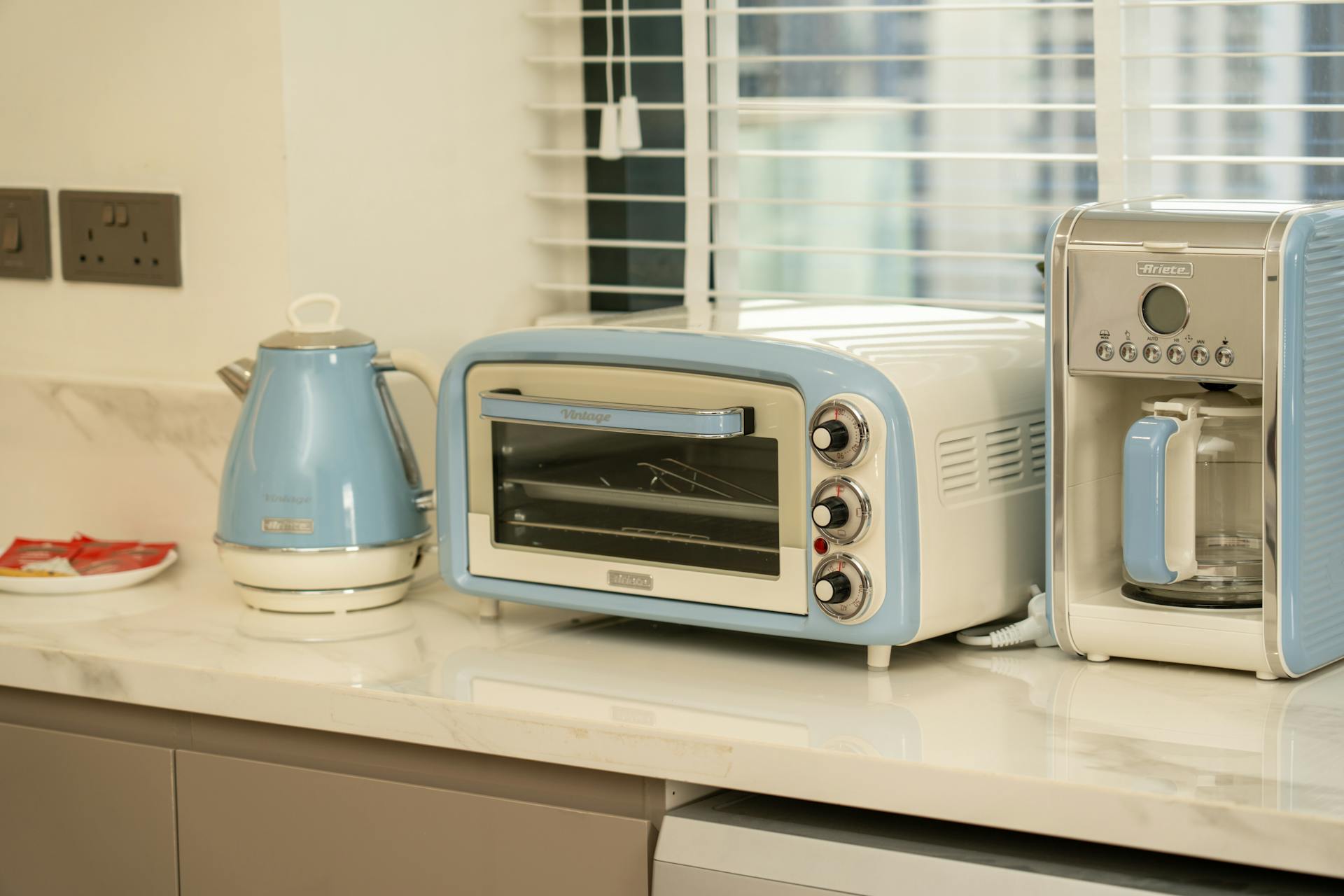
In a cold climate, homeowners often lean on space heaters, plug-in heat sources, block heaters, and seasonal lighting. Those loads can stress older wiring and crowded circuits, and overload warning signs include flickering/dimming, warm plates, buzzing, and burning odor.
Also, Yukon’s electrical work is governed by code and permitting requirements. The Government of Yukon has formally noted adoption of the 2024 Canadian Electrical Code effective April 1, 2025, impacting permits issued on or after that date.
Practically: if something feels “off,” it’s worth getting it assessed correctly rather than patched informally.
When to Call Moffat Electrical Contractors
If you’re in Whitehorse (or nearby communities) and you’re seeing any of the following, don’t wait:
- Flickering that’s frequent, spreading, or paired with other symptoms
- Buzzing/crackling/sizzling from outlets, switches, fixtures, or the panel
- Any burning or “fishy” odor near electrical components
- Warm/hot outlets or switch plates
- Discoloration, scorch marks, or sparks at receptacles
These are classic early warnings that electrical safety organizations tell homeowners not to ignore.
Moffat Electrical Contractors can help you identify the cause, make the system safe, and prevent a small warning sign from becoming a major incident.